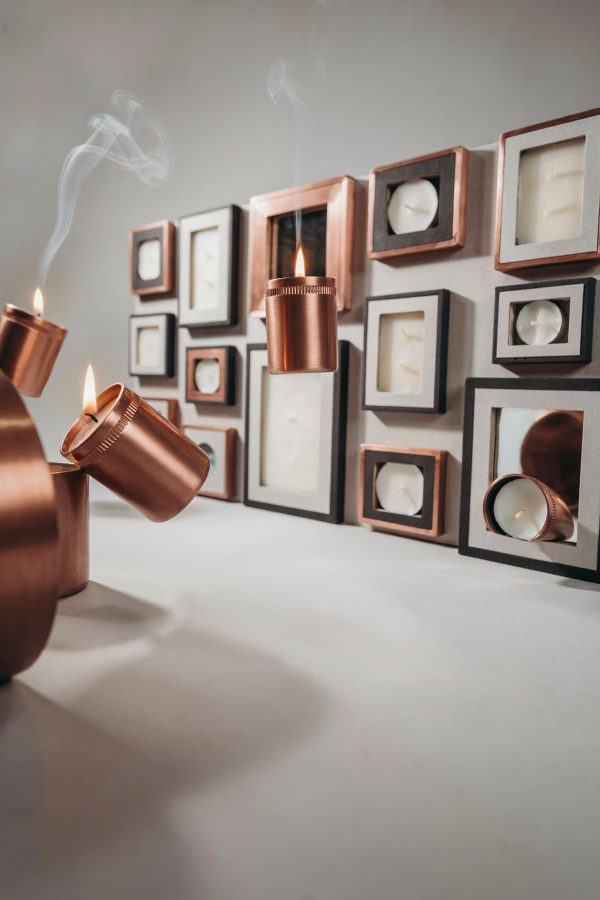
You bought a beautiful reed diffuser, placed it on your coffee table, and two days later you smelled nothing. Or maybe you lit a scented candle, only to have it tunnel down the middle and leave a sad, unusable wax ring. If that sounds familiar, you are not alone. I have made every single mistake in the book when it comes to home fragrance diffusers and candle holders, and I want to help you skip the frustration. Let me walk you through the most common blunders people make with their aromatic decor and how to actually fix them so your home smells as good as it looks.
Ignoring the Placement of Your Reed Diffuser (and Why It Kills the Scent)
Most people put a reed diffuser on a random shelf and hope for the best. That is a fast track to a fragrance that stays invisible. The reeds draw the oil up through capillary action, but if the surrounding air is dead or too cold, the evaporation stops. I used to place my diffuser behind a stack of books, and I genuinely thought the product was defective. It was not. The air simply could not circulate around the reeds.
To get the most out of your diffuser, set it in a spot with gentle airflow, not a drafty window. A hallway near a doorway or a corner where people walk by works perfectly. You also want to avoid direct sunlight because the heat can cause the oil to evaporate unevenly and fade the scent too quickly. Flip the reeds once a week to refresh the smell, but do not flip them every day or you will end up with oil spots on your furniture.
Another mistake is using too many reeds at once for a small room. A bathroom might only need four or five reeds, while a large living room can handle eight. Start low and add more if you want a stronger throw. The same logic applies to candle holders: placing a candle in a drafty corner makes it burn unevenly, which wastes wax and ruins the ambiance.
Choosing the Wrong Candle Holder for Your Scented Candle
I once bought a gorgeous ceramic candle holder that was too narrow for the candle I had. The flame barely had room to breathe, and the whole thing turned into a sooty mess within twenty minutes. Candle holders are not just decorative shells. They affect how a candle burns, how long it lasts, and whether your room smells like a warm bakery or a smoky fireplace. The number one mistake here is ignoring the clearance between the candle wall and the holder.
Look for holders that give at least half an inch of space around the candle. This gap allows oxygen to reach the flame so it burns cleanly. If the holder is too snug, the heat gets trapped and the wax overheats, which often leads to tunneling or excessive soot. Also, pay attention to the material. Glass and ceramic are safe and heat resistant, but thin metal holders can get dangerously hot. Wooden holders need a protective inner liner or a glass cup to prevent fire hazards.
When you use a holder, never leave a burning candle unattended, obviously, but that is not the mistake I am talking about. The mistake is thinking that any pretty vessel will work. I keep a small saucer underneath my candle holder to catch any wax drips, and I always trim the wick to a quarter inch before lighting. That simple habit prevents mushrooming and keeps the flame steady so the scent releases evenly.
Forgetting to Rotate Fragrance Oils and Candles Seasonally
Lavender and vanilla are lovely in winter, but come July they can feel heavy and cloying. I used to buy a big bottle of cinnamon stick oil and use it year round, and my guests always commented that my apartment smelled like a holiday store in the middle of summer. That is not the vibe you want. The mistake is sticking with one scent profile regardless of the season or the room function.
Think of your home fragrance diffusers and candle holders as part of your decor, just like throw pillows or artwork. You would not keep a thick wool blanket out in August, so why keep a heavy amber scent? Rotate lighter citrus, floral, or green notes in warmer months and reserve woodsy, spicy, or gourmand scents for cooler weather. A simple trick is to swap your reed diffuser oil every three months and match your candle scent to the current season. Your nose will thank you.
Here is a quick list of scent pairings that work well in different spaces:
- Living room: Fresh linen or cotton (year round), cedarwood and bergamot for fall, eucalyptus and mint for spring.
- Bedroom: Lavender and chamomile for rest, sandalwood and vanilla for cozy winter nights.
- Bathroom: Grapefruit and ginger or sea salt and sage to neutralize mustiness.
- Home office: Peppermint and rosemary or lemon verbena to boost focus.
Rotating your scents does not mean you have to buy new candle holders every time. Just swap the candle or the oil and your holder becomes a versatile piece that works all year.
Buying Low Quality Diffuser Oils That Fade Within Days
I cannot tell you how many times I bought a cheap reed diffuser from a discount store because the bottle looked nice. The first day the scent was strong, but by day three it was barely detectable. That happened because the oil was mostly alcohol and synthetic fragrance with very little actual perfume concentration. High quality diffuser oils use a carrier oil that evaporates slowly and carries the scent molecules for weeks, not hours.
When you shop for diffuser oil, check the ingredients list. You want to see something like dipropylene glycol or a natural carrier like fractionated coconut oil, not just alcohol or water. Also, look for brands that list the fragrance oil percentage. Anything under fifteen percent is going to be weak. I learned to read reviews specifically for throw and longevity, not just for how pretty the bottle looks. If you want a strong scent that lasts a month or more, you might have to spend a little more, but it is worth it.
Another mistake is buying a huge bottle of oil and letting it sit open. Oxygen degrades the fragrance over time, so always close the cap tightly when you are not using it. Store it in a cool, dark place. And please, do not mix different oils into the same diffuser base unless you know the scents blend well chemically. I tried mixing rose and patchouli once, and it ended up smelling like a dusty attic.
Neglecting the Visual Balance of Candle Holders and Diffusers in Your Decor
You can have the most amazing scent in the world, but if your candle holder is a clunky plastic thing or your diffuser clashes with your coffee table, the whole room feels off. The mistake is treating home fragrance items as purely functional, not as decor pieces that contribute to the visual story of your space. A beautiful candle holder or a sleek diffuser can be a focal point, but only if it fits the style of the room.
For a modern minimalist room, go for clean lines and neutral materials like matte black ceramic or clear glass. A brass or copper holder adds warmth without overwhelming. In a bohemian space, textured clay, carved wood, or colorful enamel work beautifully. I personally keep two diffusers in my living room: a tall glass one on the console table and a small ceramic one on the bookshelf. They both have the same scent family but different visual heights, which creates a layered look.
Do not overcrowd a small surface with multiple holders and diffusers. Pick one main piece per table. If you have a large dining table, you can group a couple of candle holders at different heights with a small tray underneath. That creates a vignette without looking messy. And always consider the color of the oil or wax. A dark oil in a transparent diffuser might look odd against a light table, so choose opaque vessels if you prefer a cleaner look.
Lighting Candles Without Trimming the Wick First
This sounds so basic, but it is the most common mistake I see. People pull a candle out of the box, light it, and wonder why it smokes or creates a huge flame. A wick that is too long will burn unevenly and produce soot that darkens the glass and messes up the scent throw. The ideal wick length is about one quarter inch above the wax. Anything longer and you are basically inviting trouble.
Trim the wick before every single burn, not just the first one. I keep a small pair of wick trimmers next to my candle holder so I never forget. If you do not have trimmers, nail clippers work fine. Also, let the candle burn long enough for the top layer of wax to melt completely across the surface. If you extinguish it early, you create a memory ring that will tunnel on the next burn. That ruins the candle and wastes a lot of wax.
Another detail people miss is centering the wick after extinguishing. If the wick leans to one side, the next burn will be uneven. Use a chopstick or a wick dipper to nudge it back to the middle while the wax is still liquid. These small habits turn a mediocre candle experience into a consistently lovely one, and they protect your candle holder from getting stained or damaged.
Using the Same Fragrance for Every Room in Your Home
I once visited a friend whose entire apartment smelled like a single type of vanilla orchid. Every room, the same exact scent. It was not unpleasant, but after ten minutes I could not really smell it anymore, and it felt flat. The mistake is not understanding that each room has a different purpose and size, which calls for a different fragrance profile. A strong, musky scent might overwhelm a tiny bathroom but feel just right in a large open living area.
Match the intensity of the fragrance to the square footage. A small powder room can handle a bold, fresh scent like grapefruit or lemongrass because it lingers nicely without being too much. A spacious living room needs something with more staying power, like sandalwood or a cedar blend. For a bedroom, go with calming notes that encourage relaxation, not stimulation. I keep a lavender and chamomile reed diffuser on my nightstand and a spicy clove candle in the kitchen. They each do their job without fighting each other.
Also, consider the transition between rooms. If you use a heavy floral scent in the hallway and a citrus scent in the kitchen, the clash can be jarring when you walk through a doorway. I like to choose one base note that connects all the rooms, like a shared vanilla or a light musk, and then vary the top notes. That way the whole home smells cohesive but each space has its own personality.
Getting your home fragrance diffusers and candle holders to work beautifully is really about avoiding a handful of simple traps. Pay attention to placement, choose quality oils and well fitting holders, rotate your scents with the seasons, and treat each piece as part of your decor. When you do that, your home will feel both stylish and genuinely cozy. Take a look at your current setup and pick one or two of these fixes to try this week. I promise your nose will notice the difference.
#homefragrance #diffusers #candleholders #aromaticdecor #cozyhome